July 30, 2026
This guide explains the common factors that affect steep pitch roof fees, outlines what homeowners can expect during the estimating process, and highlights considerations that may impact long-term value. With a better understanding of these elements, homeowners can prepare for a roofing project and discuss their options with a qualified roofing professional. Careful planning can also help homeowners understand the scope of work involved before beginning a steep pitch roofing project.
Complete Guide to Steep Pitch Roofs
Define Roof Characteristics
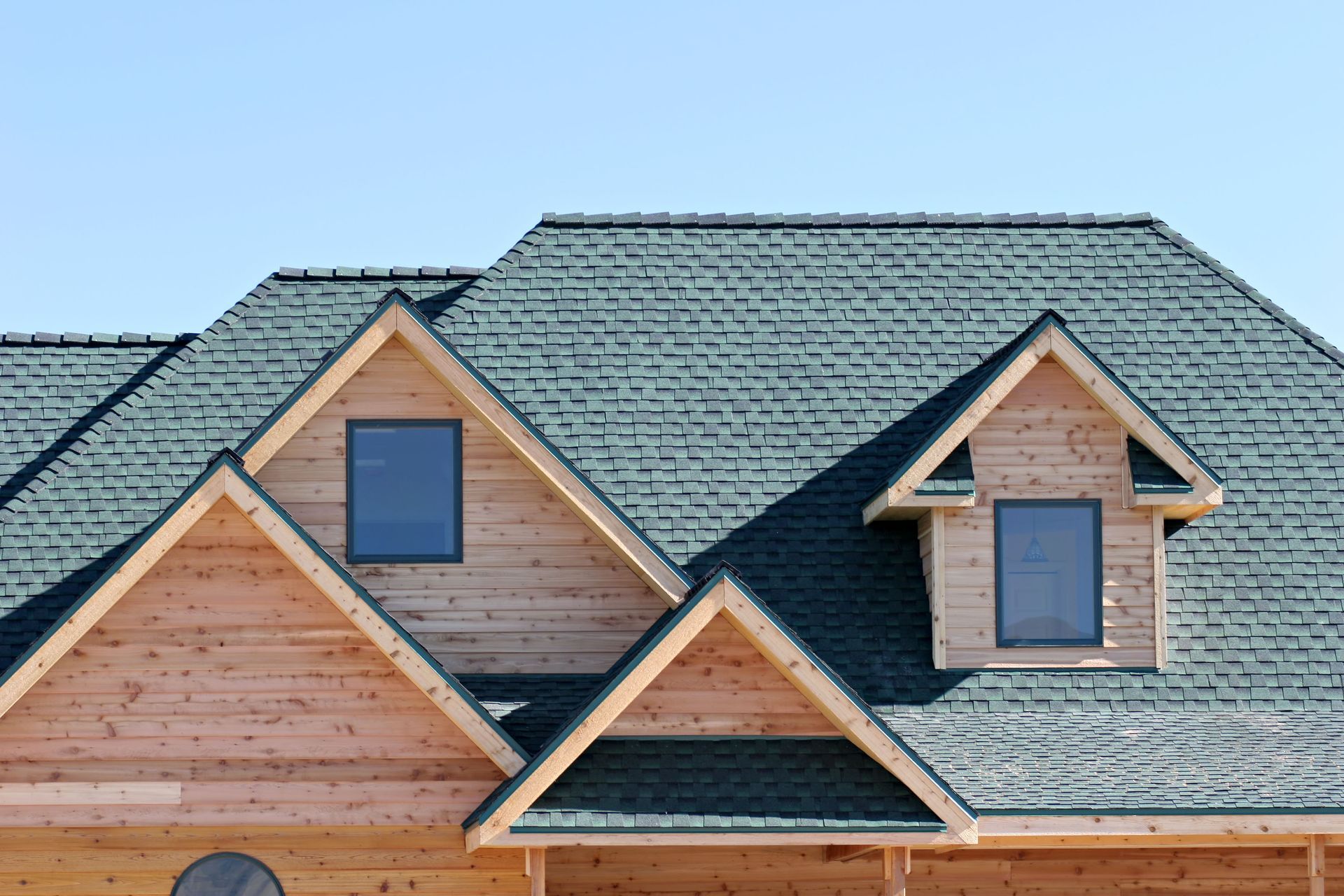
Steep pitch roofs are commonly defined as roofs with a slope of 6:12 or greater. This means the roof rises at least six inches for every twelve inches of horizontal distance. Their distinctive angle improves water runoff, helping reduce standing water and allowing rain and snow to move off the roof more efficiently.
Select Common Materials
Material selection plays an important role in the appearance, longevity, and cost of a steep pitch roof. Asphalt shingles remain one of the most common choices because they provide dependable performance and complement many architectural styles. Metal roofing is another popular option, offering durability and efficient water and snow shedding while typically requiring a higher initial investment.
According to HomeGuide, roofs with steep pitches exceeding 6:12 cost more because they require additional labor and safety precautions. Understanding how material choices affect installation costs can help homeowners establish realistic expectations before beginning a roofing project.
Compare Standard Roofs
Steep pitch roofs provide excellent drainage and can deliver long-term benefits in climates that experience frequent rain or snow. Their architectural appearance also appeals to many homeowners seeking a more distinctive roof design. These features make steep pitch roofs a consideration for many residential roofing projects.
Choosing between roof styles depends on several factors, including climate, budget, maintenance expectations, and design preferences. Evaluating these considerations carefully helps homeowners select a roofing solution that fits their property and long-term goals. A roofing contractor can help explain how different roof designs may affect installation requirements.
Important Factors of Steep Pitch Roof Fees
Consider Design Complexity
The design of a roof has a direct impact on installation costs. Features such as multiple valleys, dormers, intersecting rooflines, and varying slopes require additional planning and precision during installation. More complex designs typically require additional labor and materials, increasing the overall cost of the project.
During the planning stage, homeowners can discuss design preferences with a roofing contractor to better understand how architectural features may affect the final estimate. Balancing appearance, functionality, and budget helps establish realistic expectations before construction begins. Reviewing these details early can make the planning process more organized.
Evaluate Material Selection
The roofing material selected is one of the largest factors affecting the total cost of a steep pitch roof. Asphalt shingles generally provide an economical solution, while metal roofing, cedar shake, and slate often involve higher material and installation costs. Each option offers different benefits related to appearance, longevity, and maintenance.
Homeowners should consider how each material aligns with their property's design and expected maintenance needs. Comparing available roofing materials before installation can help create a plan that fits both the home's style and the project budget. A roofing contractor can explain the differences between available materials.
Review Accessibility and Safety
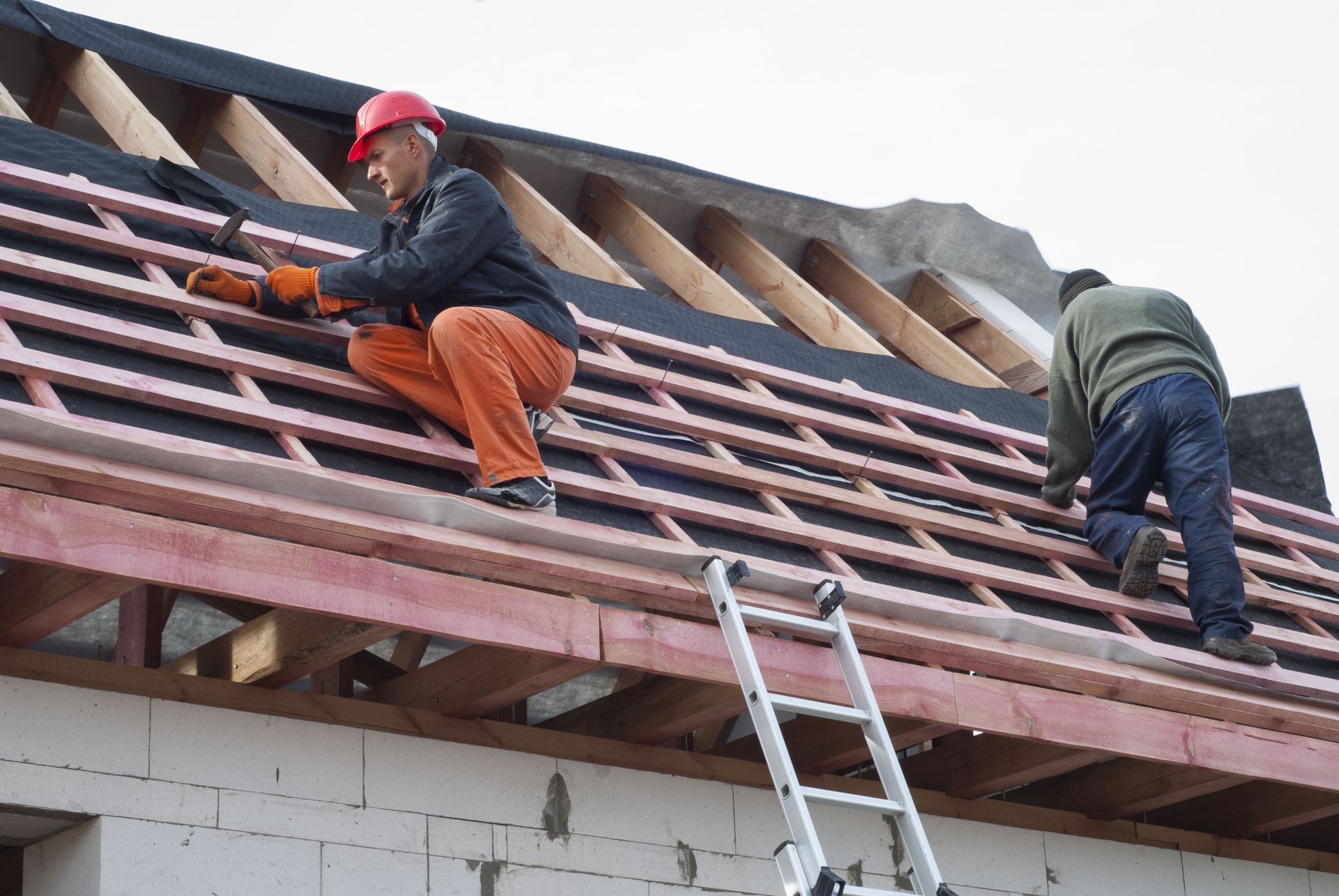
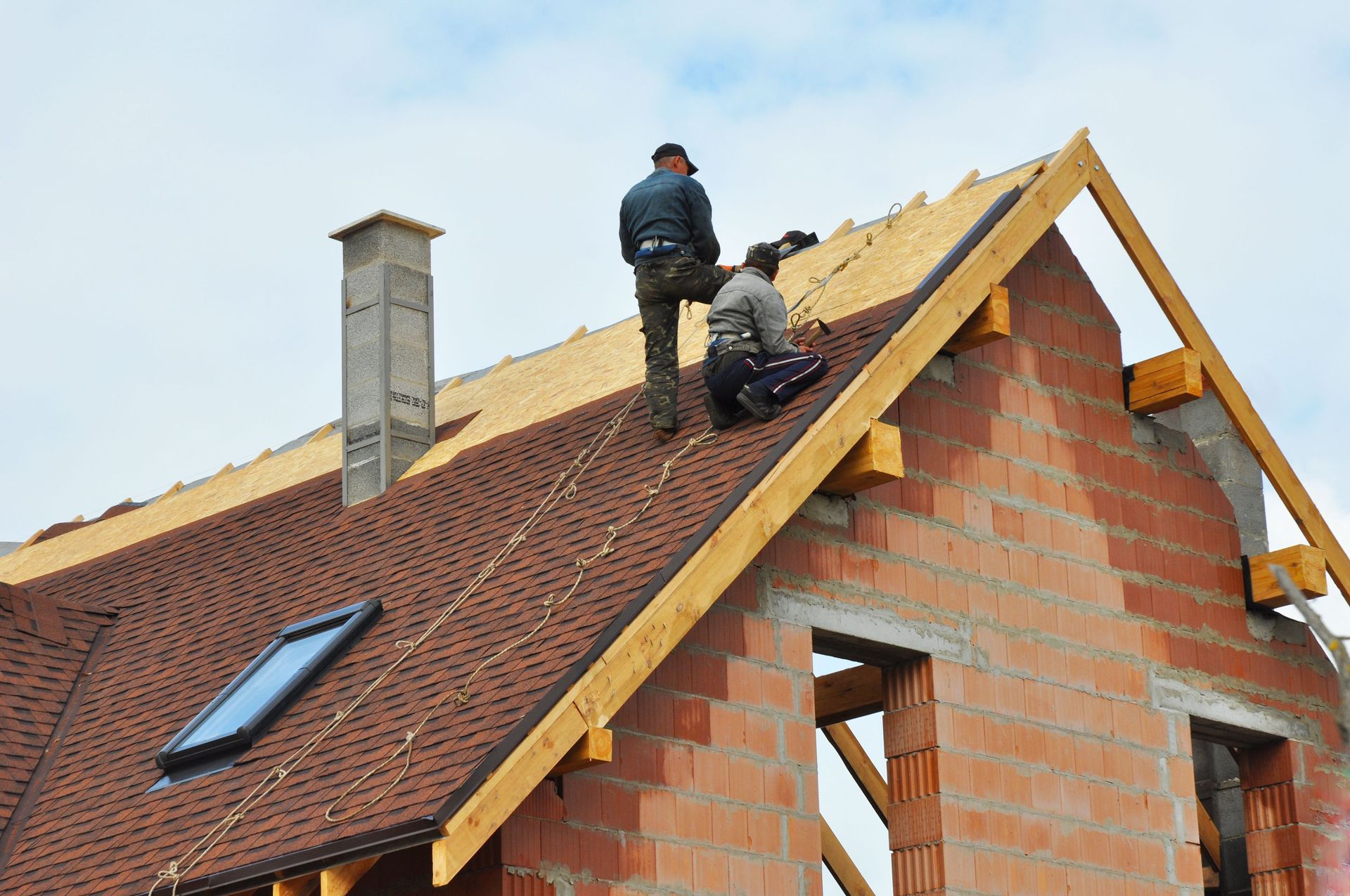
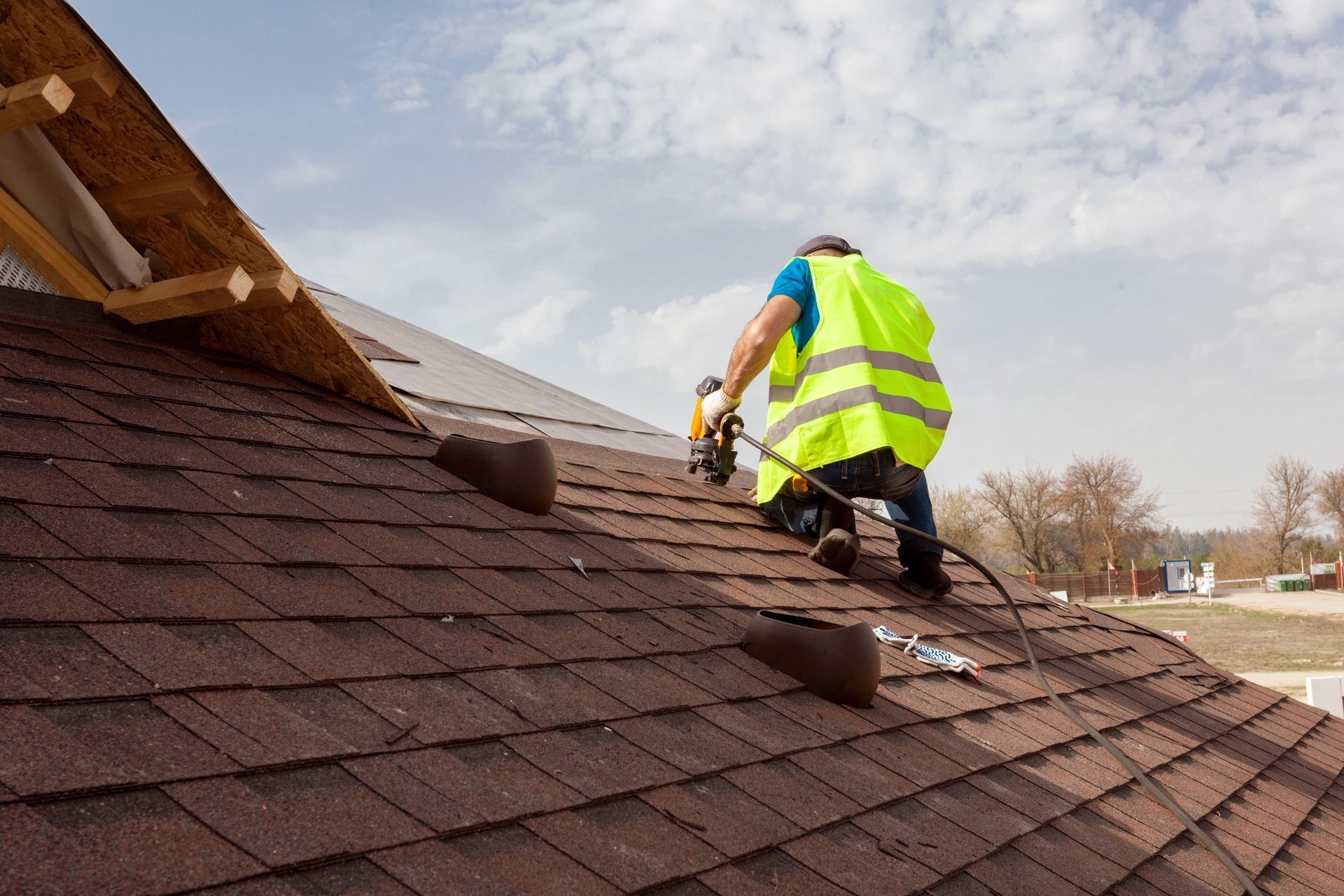
Accessibility is another important factor affecting steep pitch roofing costs. The greater the roof's slope, the more planning, equipment, and labor may be required to complete the work safely. Equipment such as harnesses, roof brackets, and scaffolding is often used to support efficient project completion.
Accessibility also affects future maintenance. Routine inspections and repairs on steep roofs often require professional assistance because the roof is more difficult to reach than lower-sloped systems. Planning for future service needs can help homeowners better understand the long-term cost of roof ownership.
Understand Geographic Variations
Location also plays a role in roofing costs. Labor availability, regional demand, transportation expenses, and local market conditions can all influence pricing from one area to another. Material availability may also vary depending on location.
Climate conditions and regional requirements can affect which roofing materials are most suitable for a property. Homeowners should consider these factors when planning a steep pitch roofing project to better understand potential costs. A roofing contractor can help evaluate the specific considerations that may affect the estimate.
Detailed Processes of Steep Pitch Roof Estimation
Begin Initial Consultation
The estimating process begins with an initial consultation to discuss the homeowner's goals, budget, and project expectations. During this visit, a roofing contractor evaluates the existing roof, takes measurements, and reviews factors that may affect installation. This information provides the foundation for developing an accurate project estimate.
Identify Estimate Changes
Although an estimate is based on the information available during the initial inspection, certain conditions may only become visible once work begins. Hidden damage beneath existing roofing materials, deteriorated decking, or other unexpected issues may require additional repairs before the new roofing system can be installed. These conditions can affect the final scope of work and overall project cost.
Changes requested by the homeowner after the project has started may also affect the estimate. Selecting different roofing materials or modifying the scope of work can alter both material and labor requirements. Reviewing project details carefully before installation begins can help homeowners make informed decisions.
Plan a Realistic Budget
Establishing a realistic roofing budget involves more than comparing material prices. Homeowners should consider labor, roof complexity, accessibility, removal of existing roofing materials, and any repairs that may be required before installation can begin. These factors all contribute to the overall investment needed for a steep pitch roofing project.
Planning ahead also provides time to compare roofing materials and evaluate their expected maintenance requirements. Looking beyond the initial installation cost allows homeowners to select a roofing system that aligns with both their budget and long-term goals. A roofing contractor can help explain how different options may affect project expenses.
Practical Ways to Manage Roofing Costs
Choose Materials Carefully
Selecting the right roofing material is one of the most effective ways to balance cost, appearance, and long-term value. Asphalt shingles, metal roofing, cedar shake, and slate each offer different advantages depending on the home's design, maintenance expectations, and budget. Comparing these options can help homeowners determine which material best fits their needs.
Material selection can influence both the upfront investment and future maintenance considerations. Homeowners should evaluate the characteristics of each roofing system before making a decision. A roofing contractor can provide information about available materials and installation requirements.
Address Roofing Issues Early
Small roofing concerns can become larger problems if left unaddressed. Scheduling inspections after severe weather or when signs of damage appear can help identify issues before they require more extensive repairs or contribute to interior water damage. Early attention may help homeowners better understand the condition of their roofing system.
Future Considerations of Roofing
Explore Roofing Material Advances
Roofing materials continue to evolve, providing homeowners with more options for durability, appearance, and long-term performance. Improvements in manufacturing have expanded the selection of asphalt shingles, metal roofing systems, cedar shake products, and slate roofing available for residential properties.
Plan With Professional Guidance
Every steep pitch roof presents unique considerations related to design, accessibility, and material selection. Taking time to evaluate these factors before construction begins helps establish realistic expectations for both cost and project timelines. Proper planning allows homeowners to better prepare for the work ahead.
If you're planning a steep pitch roofing project, learn more about how Motto & Sons Roofing & Construction can help evaluate your roof, discuss available options, and provide professional roofing, roof replacement, roof repair, gutter, and siding services designed to support your property's needs.