October 29, 2026
A worn roof does not always fail dramatically. Damage often develops gradually, allowing moisture, temperature changes, and everyday exposure to affect parts of a home that owners rarely see. Postponing a necessary replacement may seem economical initially, but the resulting problems can spread beyond the roofing materials themselves.
Experienced roofing contractors can assess whether aging materials still provide adequate protection or whether replacement is the more practical option. Understanding the less obvious consequences of waiting helps homeowners make informed decisions before manageable concerns become major disruptions. These consequences often emerge long before obvious exterior failure.
Increasing the Risk of Water Intrusion
Allowing Small Leaks to Spread
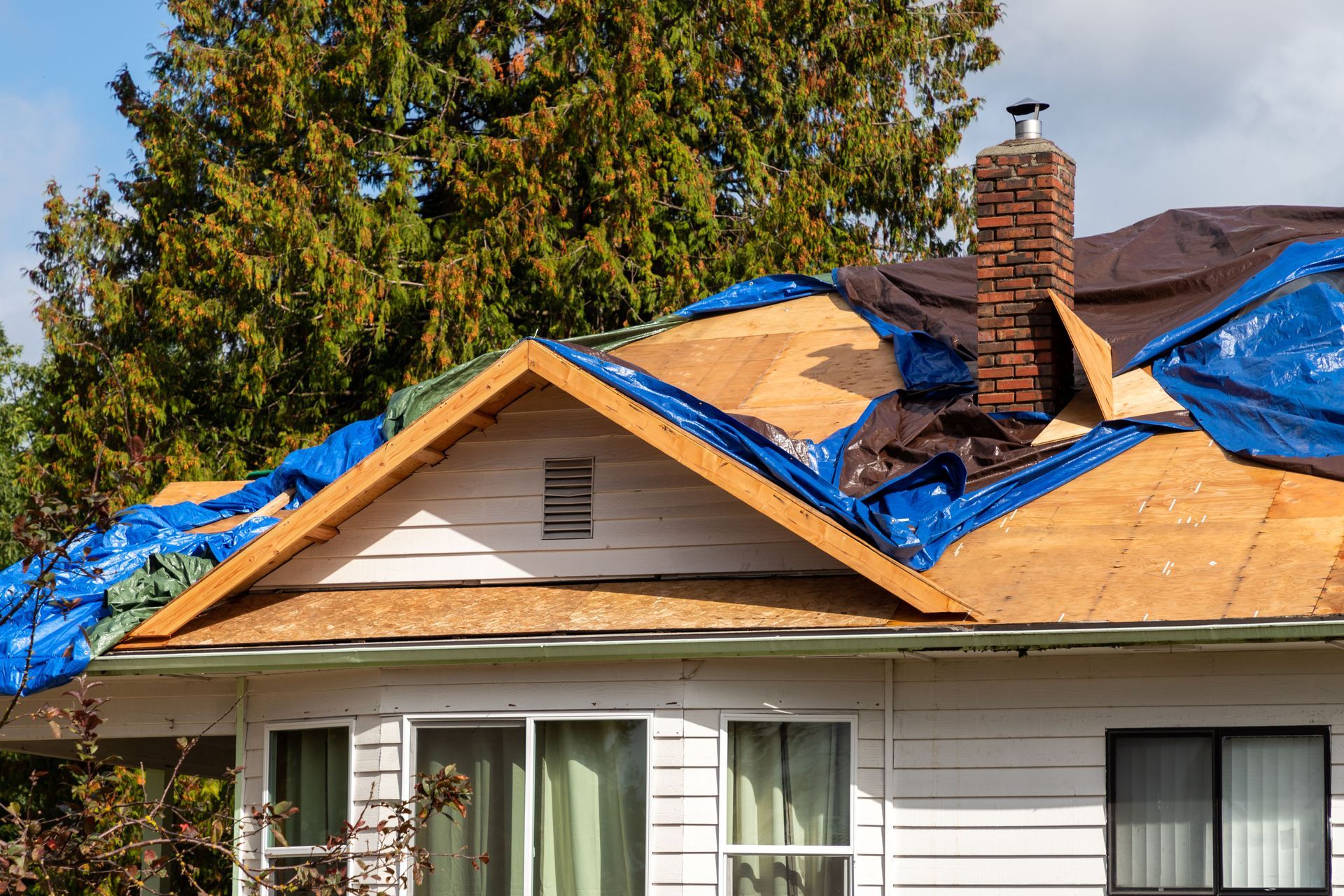
Water entering through a damaged roof may travel along framing before becoming visible indoors. A stain on the ceiling can therefore appear far from the original opening. Continued exposure can enlarge affected areas and complicate eventual restoration. Hidden moisture can also affect materials beyond the visible stain.
Weakening Roof Decking
Decking provides the foundation beneath roofing materials. Persistent moisture can cause wood-based panels to swell, soften, or deteriorate. When deterioration advances, replacement may require additional structural work rather than simply installing a new exterior covering.
Damaging Interior Finishes
Leaks can stain ceilings, loosen paint, and damage insulation or wall finishes. These problems may develop slowly enough to escape immediate attention. Roofing contractors can explain how an aging roof contributes to interior damage and why surface repairs alone may be insufficient.
Complicating Storm Recovery
Existing weaknesses can leave a roof more vulnerable during heavy rain or wind. According to This Old House, 40% of homeowners identified weather, accidental damage, or disasters as the primary reason they replaced their roofs. Delaying necessary work may increase exposure when severe conditions arrive.
Increasing the Risk of Structural Damage
Compromising Supporting Components
Roof systems depend on connected layers and structural members. Prolonged water exposure can affect rafters, sheathing, and nearby framing. Damage may remain concealed until roofing materials are removed or a professional inspection identifies warning signs. Structural repairs can become more involved as deterioration spreads.
Accelerating Material Deterioration
Shingles, flashing, and underlayment age at different rates. Once protective layers lose effectiveness, surrounding components face greater exposure to sunlight, wind, and moisture. Small failures can combine, making the entire assembly less reliable over time.
Expanding Repair Requirements
Replacing a roof before underlying damage becomes extensive may limit the amount of additional restoration needed. Waiting can turn a straightforward project into one involving decking, insulation, or other materials. Qualified roofing contractors assess these conditions when discussing project scope.
Reducing Long-Term Resilience
A deteriorating roof may perform poorly under repeated seasonal stress. Freeze-thaw cycles, strong winds, and prolonged rainfall can exploit existing weaknesses. Restoring the protective system before further deterioration helps preserve the building's ability to withstand normal weather exposure.
Increasing the Risk of Indoor Moisture Problems
Encouraging Mold Development
Persistent dampness can create conditions favorable to mold growth, particularly in concealed cavities. Not every leak causes mold, but unresolved moisture raises the likelihood. Addressing the roof's condition is an important part of preventing recurring water intrusion.
Reducing Insulation Performance
Wet insulation may lose some of its thermal effectiveness and can require replacement depending on material and exposure. Reduced performance makes indoor temperatures harder to maintain. The consequences may continue even after the visible leak appears to stop.
Creating Unpleasant Indoor Conditions
Moisture can contribute to musty odors, staining, and uncomfortable living spaces. These symptoms sometimes appear before residents recognize a roofing problem. Professional roofing contractors can evaluate exterior conditions while other qualified specialists address any affected interior materials.
Concealing Persistent Dampness
Attics and enclosed spaces are not always checked regularly. Damp materials may remain hidden for months, especially when leaks occur only during certain storms. Delaying replacement allows these difficult-to-see conditions more time to develop. Repeated dampness deserves attention even without visible dripping.
Increasing the Risk of Energy Waste
Disrupting Thermal Protection
A roof works alongside insulation, ventilation, and air sealing to support indoor comfort. Moisture damage or deteriorated materials can undermine that system. Homeowners may notice changing room temperatures without realizing the roof is contributing to the problem.
Straining Heating and Cooling
When thermal protection is compromised, heating and cooling equipment may need to work harder to maintain desired temperatures. Actual energy effects depend on the home's construction and the nature of the damage. Roofing contractors can identify roof-related concerns during an evaluation.
Increasing Seasonal Discomfort
Upper rooms may become especially uncomfortable when insulation is damp or ventilation problems accompany roof deterioration. Temperature differences between floors can make the home less pleasant. Replacement planning offers an opportunity to review related roof-system conditions.
Postponing Efficiency Improvements
A replacement project can provide access to roof components that are difficult to assess otherwise. Delaying the work also postpones the chance to address compatible ventilation or insulation concerns. Improvements should reflect the building's actual needs rather than assumptions. This evaluation helps prevent unnecessary work and overlooked problems.
Increasing the Risk of Financial Setbacks
Multiplying Related Repair Costs
The cost of waiting extends beyond roofing materials when leaks affect ceilings, framing, or insulation. Separate repairs can require additional labor and scheduling. Early assessment helps homeowners understand whether continued maintenance is still reasonable.
Creating Unexpected Household Disruptions
Sudden leaks can interfere with daily routines and require urgent attention during inconvenient weather. Furniture may need protection, and affected rooms may become temporarily unusable. Planned replacement generally offers more scheduling flexibility than responding to an emergency.
Complicating Insurance Expectations
Insurance coverage depends on policy terms, the cause of damage, and maintenance history. Gradual deterioration is not necessarily covered like a sudden insured event. Roofing contractors may document observed roof conditions, but homeowners should confirm coverage questions with their insurers.
Limiting Budgeting Options
A planned project gives households time to review estimates, materials, and scheduling. Emergency deterioration can narrow those choices. Evaluating replacement needs before failure makes it easier to align the project with financial priorities. It also leaves time to compare appropriate material choices.
Increasing the Risk of Property Value Loss
Weakening First Impressions
Missing shingles, uneven surfaces, and visible wear can make an otherwise maintained home appear neglected. Roof condition contributes to curb appeal because it occupies a substantial portion of the exterior. Visible deterioration may concern prospective buyers.
Raising Inspection Concerns
During a property transaction, an aging roof may prompt questions about leaks, remaining service life, or future expenses. Findings can affect negotiations depending on the market and circumstances. Roofing contractors can provide condition assessments that help owners understand likely needs.
Restricting Future Choices
Homeowners who postpone replacement may eventually face tighter timelines when selling, renovating, or responding to damage. Addressing an aging roof deliberately preserves more flexibility. It also reduces uncertainty surrounding other improvements planned for the property.
Undermining Overall Home Protection
The roof protects structural components, belongings, and finished living areas. Its deterioration can affect the home's condition well beyond the exterior. Timely decisions help safeguard the investment represented by the entire property.
Delaying a necessary roof replacement can expose homeowners to hidden moisture, structural deterioration, comfort problems, unexpected expenses, and property concerns. Not every aging roof requires immediate replacement, but an informed assessment helps distinguish repairable issues from widespread wear. Roofing contractors can clarify the condition of the existing system and explain appropriate options.
Concerned about your roof's condition? Contact Motto & Sons Roofing & Construction today to schedule a professional evaluation and discuss replacement options that protect your home for the years ahead.