June 22, 2026
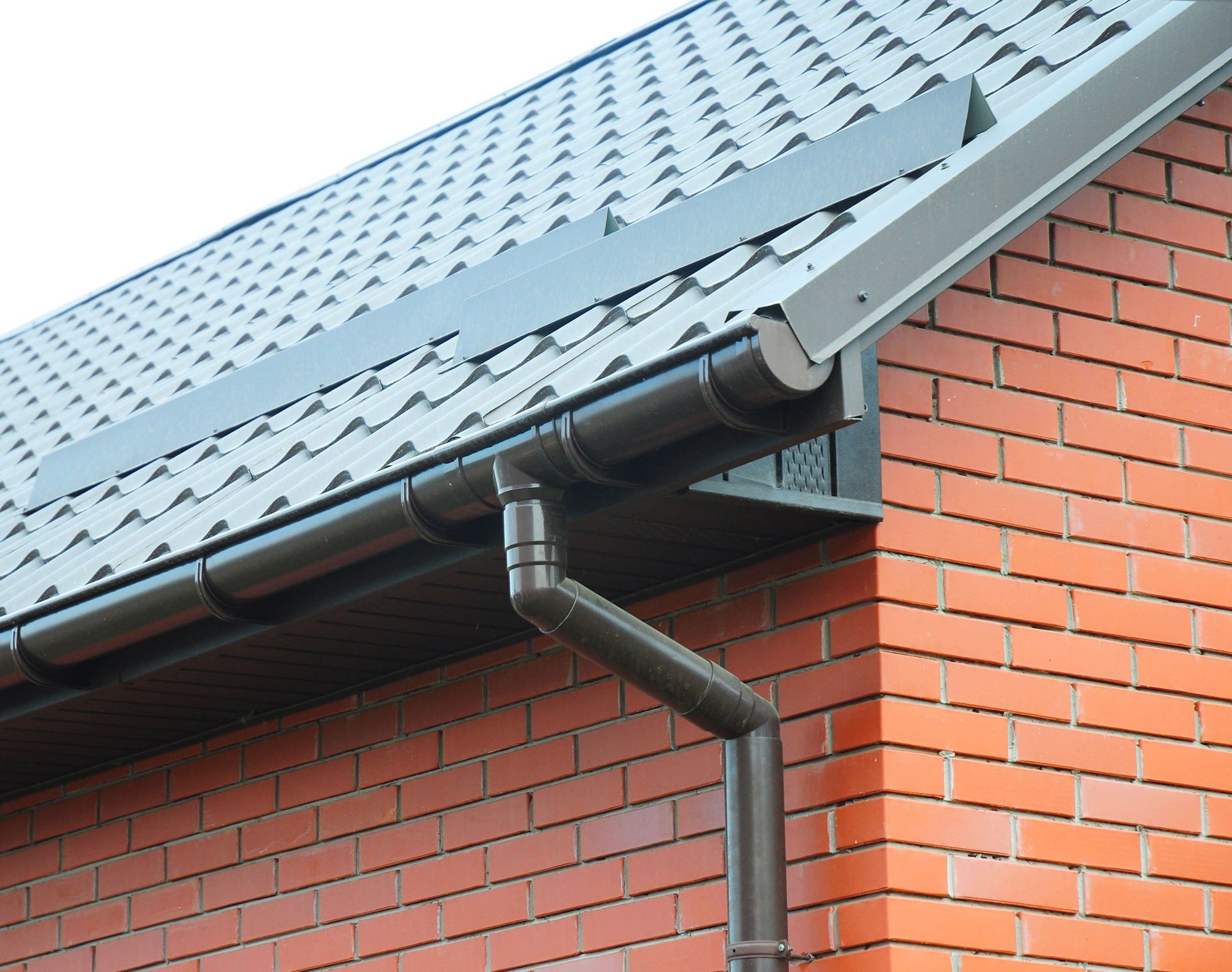
The exterior of a home requires careful attention to detail, especially when it comes to managing rainwater. Homeowners often overlook the systems that channel water away from their roofs and foundations until a problem arises. Choosing the right components for this system involves understanding how different materials perform over time under various weather conditions. A well-designed system prevents water damage, protects landscaping, and maintains the structural integrity of the property. When evaluating options, longevity stands as a primary consideration for anyone looking to make a smart investment in their home maintenance strategy.
Selecting the perfect setup means looking closely at the options available on the market today. Modern manufacturing provides a variety of choices, each with unique strengths, maintenance requirements, and expected periods of usefulness. By examining these materials side by side, homeowners can determine which option aligns best with their budget, aesthetic preferences, and long-term plans. The climate of the region also plays a significant role, as freezing temperatures, heavy snow, and torrential rains test the limits of external drainage systems. Investing time in researching these materials now saves significant stress and expense down the road.
Examining Plastic Options
Many homeowners explore budget-friendly materials when planning home improvements. Vinyl or plastic components offer an accessible entry point because they resist rust and denting while remaining lightweight. These systems appeal to individuals who want a straightforward installation process without a massive financial commitment. However, lightweight materials sometimes struggle in regions that experience extreme temperature fluctuations, as freezing and thawing can cause the material to become brittle. While plastic resists corrosion from moisture and debris, its overall endurance remains on the lower end of the spectrum. Homeowners must balance the initial cost savings against the likelihood of needing a complete replacement much sooner than if they chose metal alternatives. According to This Old House, plastic gutters last between 10 and 20 years, aluminum and steel last up to 20 years, and copper lasts 50 years or more. This makes plastic a suitable choice for temporary fixes or mild climates, but less ideal for long-term protection in harsh environments.
Evaluating Aluminum Options
Aluminum represents one of the most popular choices for modern residential drainage installations. This material strikes an excellent balance between affordability and durability, making it a staple for standard housing designs. Aluminum does not rust, which is a major advantage for systems constantly exposed to water and damp debris. Additionally, it comes in a wide array of colors, allowing it to blend seamlessly with the existing trim and siding of almost any house. The lightweight nature of aluminum simplifies the installation process, yet the material remains sturdy enough to handle moderate snow loads and heavy rain. Because it can be formed into seamless designs, it minimizes the areas where leaks typically develop over time. Homeowners choosing aluminum can expect a reliable performance period that handles seasonal changes beautifully without requiring constant oversight or frequent repairs, provided the system receives regular cleaning.
Analyzing Steel Options
For properties exposed to severe weather, heavy snowfalls, or falling branches, steel provides an incredibly robust solution. Steel options come in galvanized or stainless varieties, both of which offer immense structural strength. This strength prevents sagging and warping under the weight of accumulated ice or wet leaves, ensuring that water continues to flow toward the downspouts exactly as intended. Galvanized steel features a protective layer of zinc to ward off rust, though this layer can wear down after decades of exposure, requiring eventual maintenance. Stainless steel avoids the rust issue entirely but comes with a higher initial price tag. The sheer weight of steel requires professional installation to ensure the brackets securely anchor the system to the fascia boards, creating a rigid defense against the elements.
Reviewing Copper Options
At the premium end of the market, copper stands out as a material prized for both its unmatched longevity and its distinct aesthetic evolution. Initially gleaming with a bright metallic shine, copper gradually develops a greenish patina over time due to oxidation. This natural coating actually protects the underlying metal from further corrosion, eliminating the need for painting or intensive upkeep. The initial investment for a copper system surpasses all other materials, but the return on investment comes from its incredible multi-generational endurance. Copper handles extreme heat, bitter cold, and heavy impacts without cracking or splitting. Because the joints are typically soldered together during installation, these systems remain remarkably leak-resistant throughout their entire operational life, making them a favorite for historic restorations and luxury custom homes.
Assessing Climate Impacts
Local weather patterns dictate how well different materials hold up over the years. In areas that experience freezing winters and hot summers, materials expand and contract constantly. This movement places stress on joints, seams, and hangers. If a material cannot handle these thermal dynamics, it will crack, warp, or pull away from the roofline, leading to water spilling over the edges. Heavy snow accumulation and ice dams also put immense physical weight on the drainage tracks. Weak materials will bend or collapse under this pressure, whereas strong metals maintain their shape and function. Choosing a material that aligns with local weather challenges ensures that the system performs reliably during sudden summer downpours and extended winter storms alike, keeping the home safe from basement flooding and foundation erosion.
Exploring Seamless Advancements
Traditional sectional layouts rely on connectors and joints to piece together a functional path along the roofline. While these systems remain common, seamless variations have gained widespread popularity for modern property protection. These continuous tracks are extruded on-site from a single piece of metal, matching the exact dimensions of the roof to minimize the presence of seams. Fewer seams mean drastically fewer opportunities for debris to catch and clog the channel over time. This design also reduces the risk of leaks developing at connection points, which often warp under shifting weather conditions. Homeowners opting for seamless designs benefit from a cleaner appearance and lower maintenance demands throughout the decades of service the system provides.
Considering Maintenance Needs
No matter which material a homeowner selects, routine upkeep remains essential for maximizing the operational lifespan of the system. Leaves, twigs, and sediment accumulate over time, creating blockages that trap standing water. This trapped water adds unnecessary weight and creates a breeding ground for pests, while also accelerating the degradation of certain metals and seals. Some materials require more watchful care than others. For instance, non-painted metals might need occasional inspections for scratches or spots where the protective coating has worn thin. On the other hand, seamless configurations require less frequent check-ups because they lack the seams where debris typically snags. Planning for biannual cleanings preserves the functionality of the drainage channels and ensures that water always moves safely away from the property.
Defending a home from water damage requires a reliable system of
gutters to manage heavy rainfall and melting snow effectively. Making an informed decision involves balancing the upfront costs against the long-term benefits of each material type. With over 50 years of experience, Motto & Sons Roofing & Construction understands exactly how to guide homeowners toward the best choices for their specific properties, ensuring lasting peace of mind. We encourage you to call us today to learn more about upgrading your home drainage system and protecting your investment for decades to come, proudly serving Appleton, WI and the surrounding areas.