July 9, 2026
Residential and commercial roofing require different priorities, but both depend on the same foundation: precision, material knowledge, and consistent execution. Property owners expect solutions that match their building type, budget, and long-term performance needs, which means service approaches must be adjusted rather than standardized. Experienced teams develop workflows that account for these differences while maintaining efficiency across all project sizes. In many cases, the ability to shift between home-focused and business-focused work defines how effectively contractors can serve their region. Skilled roofers often build their reputation on this adaptability, ensuring each structure receives the correct level of attention from initial inspection through final installation.
Beyond technical execution, project planning also plays a major role in how roofing services are delivered. Scheduling, material logistics, and site preparation must all be aligned with property usage to avoid unnecessary disruption. Residential projects typically emphasize household convenience and cleanliness, while commercial work often prioritizes operational continuity and safety compliance. This balance of expectations requires clear communication at every stage of the process, from initial assessment through completion. The result is a tailored approach that supports both structural integrity and long-term property value.
Designing Residential Roofing Services for Homes
Material Selection and Aesthetic Alignment
Residential roofing requires a balance between durability and visual appeal. Homeowners often prioritize materials that complement exterior design while still offering strong weather resistance. Options such as asphalt shingles, cedar shakes, metal systems, and slate each provide different advantages depending on climate exposure and architectural style. Roofers tailor recommendations based on roof pitch, neighborhood design standards, and long-term maintenance expectations.
Skilled roofers also consider energy efficiency and insulation performance when selecting materials, ensuring the roof contributes to overall home comfort while preserving curb appeal. Material availability and regional weather trends also influence final recommendations, helping ensure long-term performance in real-world conditions.
Installation Practices for Long-Term Protection
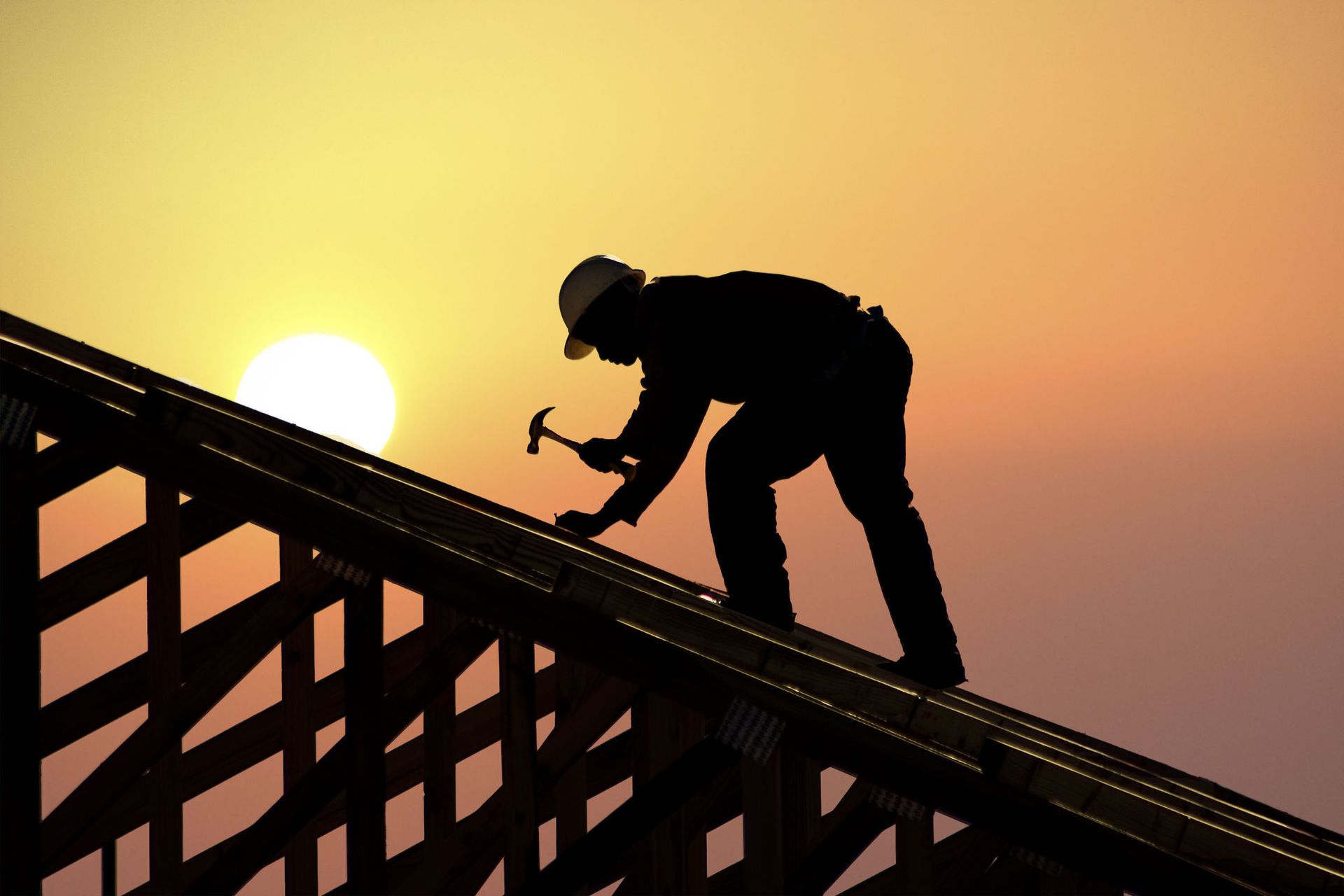
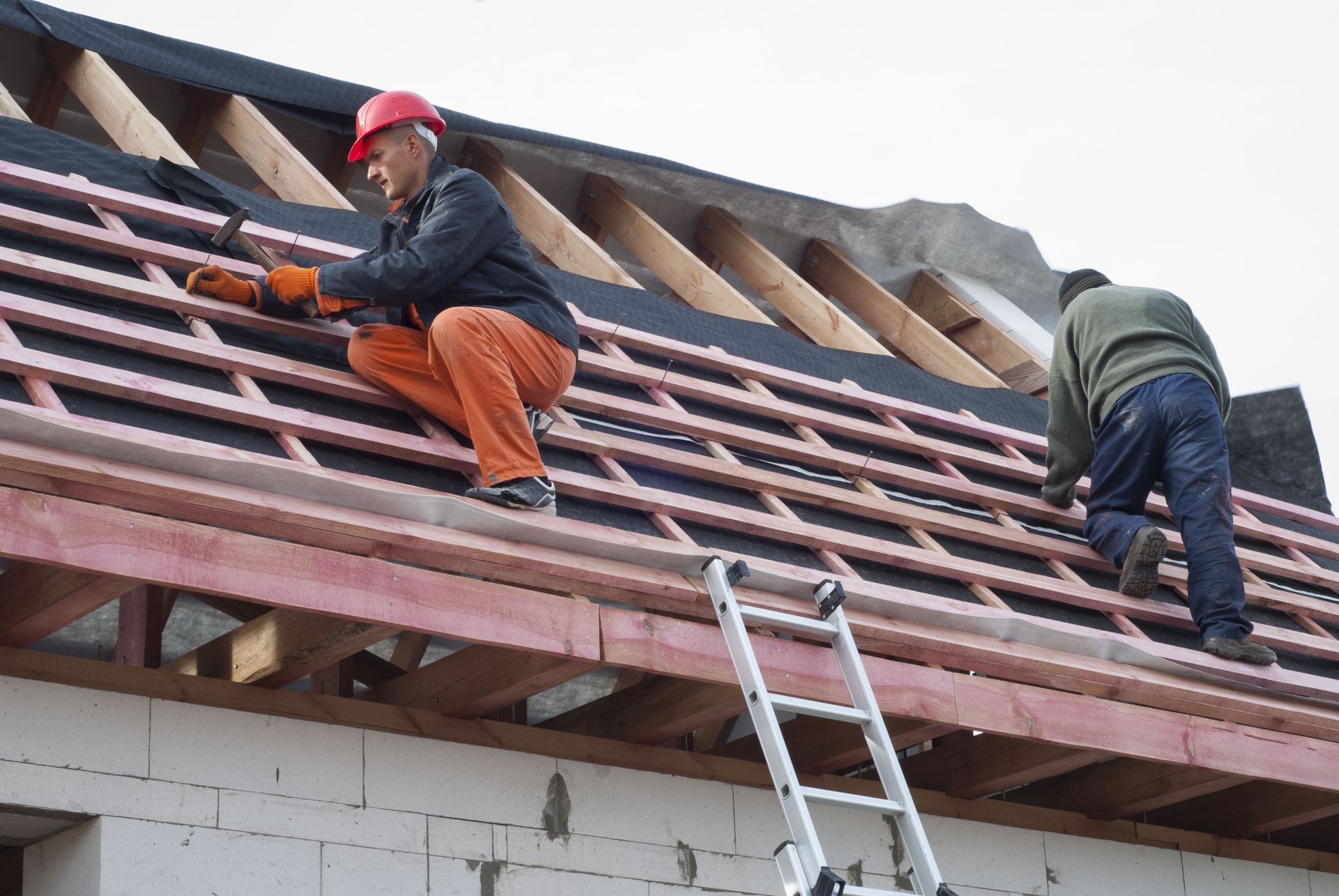
Installation methods for residential properties are centered on precision and consistency. Every layer, from underlayment to final ridge placement, must be aligned to prevent leaks and structural wear over time. Crews typically work in smaller teams to maintain control over detail-oriented tasks such as flashing, edge sealing, and ventilation integration.
Quality control is especially important because minor installation errors can lead to long-term damage in home environments. Many projects also include protective site measures designed to safeguard landscaping, driveways, and exterior structures during construction, reducing post-installation cleanup and preserving property condition.
Maintenance and Inspection Planning
Ongoing maintenance plays a major role in extending the lifespan of residential roofs. Scheduled inspections help identify early signs of wear such as shingle displacement, moisture intrusion, or flashing deterioration. Homeowners benefit from preventive service plans that reduce the likelihood of emergency repairs.
Roofers often structure their services around seasonal weather patterns to ensure roofs are prepared for heavy precipitation or temperature fluctuations. Regular documentation of roof condition also helps track changes over time, making it easier to determine when repairs or partial replacements may be needed.
Adapting Commercial Roofing Systems for Large-Scale Buildings
Flat and Low-Slope System Specialization
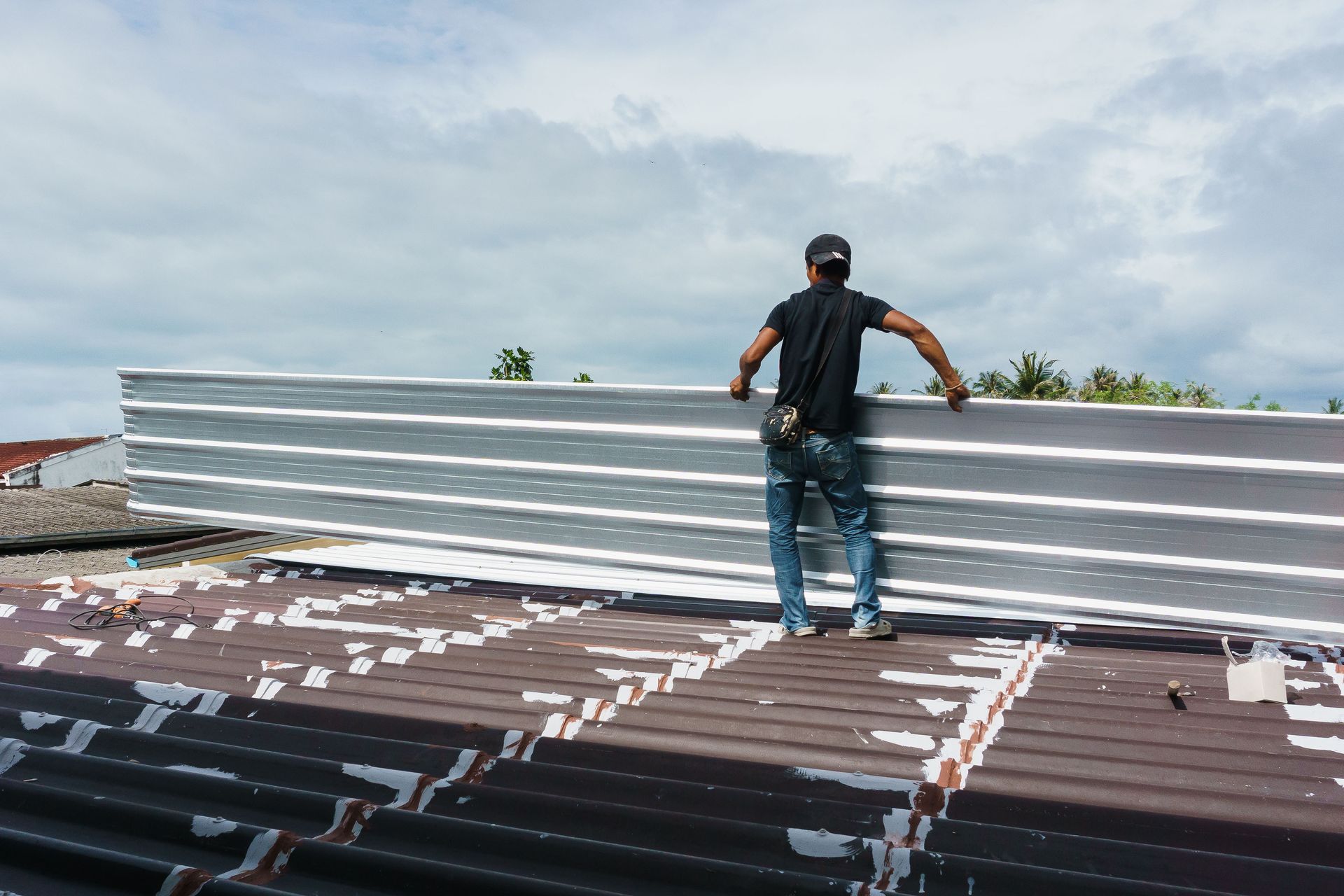
Commercial roofing often involves flat or low-slope structures that require entirely different installation methods compared to residential homes. Systems like TPO are commonly used due to their reflective properties and strong waterproofing performance, especially on large surface areas.
These installations demand careful seam welding, drainage planning, and membrane placement to ensure long-term durability. Crews must also account for rooftop equipment such as HVAC units, which require integrated flashing and reinforced sealing. Many installations also require coordination around load-bearing zones to ensure structural integrity is maintained across expansive roof surfaces.
Replacement and Lifecycle Considerations
Commercial roofs experience significant wear due to constant exposure and building size, making replacement a central part of long-term maintenance planning. According to ServiceTitan, roughly 94% of commercial roofing projects consist of full roof replacement rather than minor repair work, largely driven by persistent wear and tear combined with the rising frequency of severe weather events. This high replacement rate highlights the importance of lifecycle planning in commercial roofing strategies.
Instead of relying on patchwork solutions, building owners often coordinate large-scale replacements to restore structural integrity and improve long-term performance. In these environments, roofers must assess not only current damage but also overall system viability to determine the most cost-effective approach. Detailed inspections often guide whether restoration or full replacement is the most practical decision.
Project Coordination and Safety Protocols
Commercial roofing projects require structured coordination due to their scale and complexity. Roofers must schedule work around business operations to minimize disruption while maintaining strict safety standards for both workers and building occupants. Large crews are often deployed with clearly defined responsibilities to manage material staging, installation sequencing, and site protection.
Compliance with safety regulations is critical, particularly when working on multi-story buildings or active commercial facilities. Weather monitoring and contingency planning are also essential, as delays can significantly impact project timelines and operational continuity for the property owner.
Delivering Consistent Quality Across Residential and Commercial Projects
Workforce Training and In-House Standards
Consistency across different property types depends heavily on workforce training and internal quality standards. Teams are often composed of factory-trained professionals who understand both residential detailing and commercial system requirements. By maintaining in-house crews rather than relying on subcontractors, companies can enforce uniform installation practices and accountability.
This structure ensures that every project, regardless of size, meets the same performance expectations. Continuous training programs also help crews stay aligned with updated installation techniques and material specifications, reinforcing long-term reliability across all job types.
Emergency and Repair Responsiveness
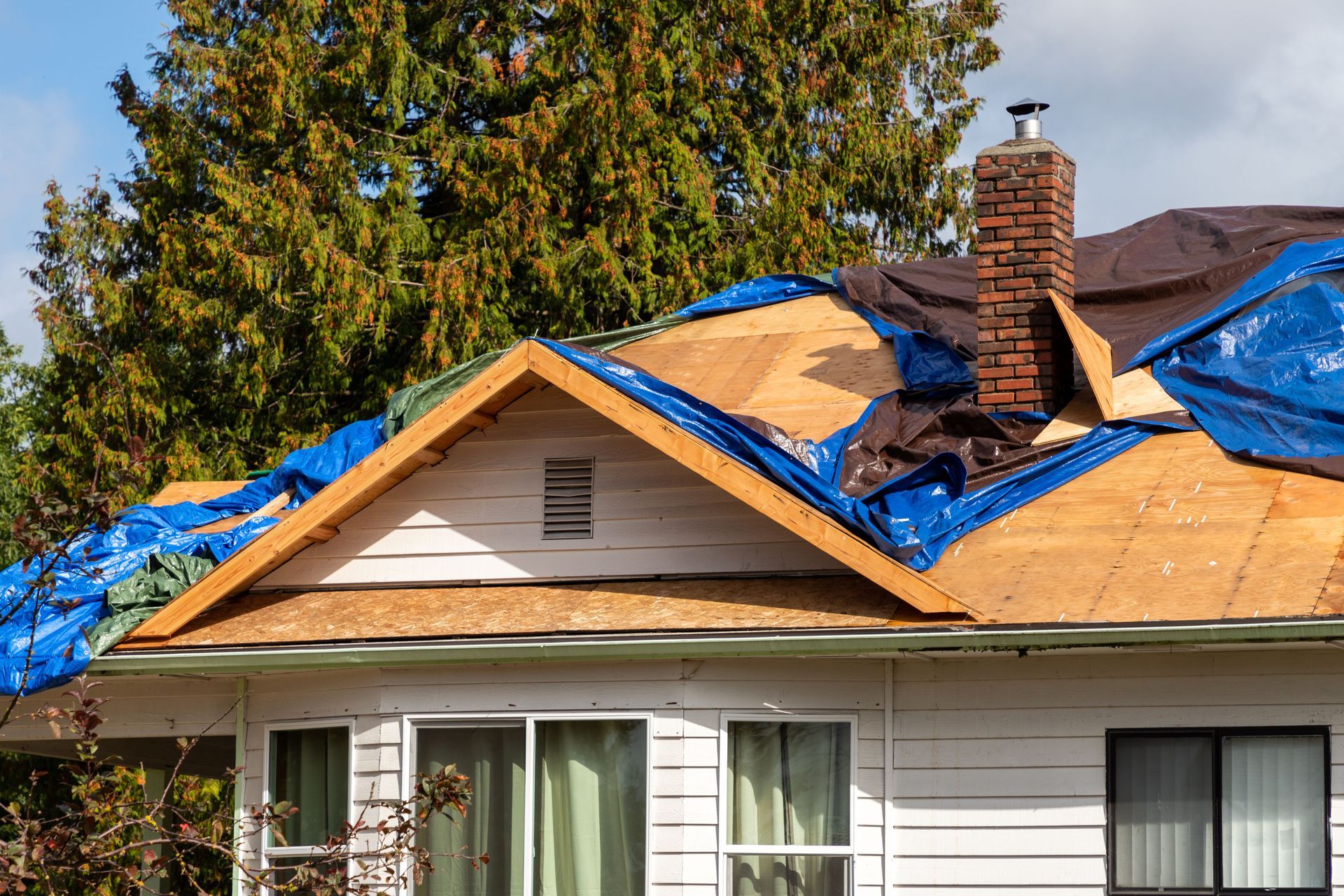
Unplanned damage can occur in both residential and commercial settings, especially during severe weather events. Rapid response capabilities are essential to preventing further structural issues such as water intrusion or insulation damage. Emergency repair services typically include temporary stabilization followed by permanent restoration once conditions allow.
This responsiveness is particularly important for commercial properties where downtime can affect business operations. Service models are often structured to provide around-the-clock availability so urgent issues can be addressed without delay, helping limit secondary damage and repair costs.
Long-Term Value and Warranty Protection
Long-term protection is a key consideration for both homeowners and commercial property managers. Roofing systems are significant investments, so warranties and service guarantees provide added security against unexpected failures. Extended coverage options often reflect confidence in material quality and installation practices.
Regular maintenance further strengthens warranty validity by ensuring roofs remain in proper condition over time. By combining durable materials, skilled installation, and ongoing support, property owners can achieve sustained performance and maximize the lifecycle value of their roofing systems.
Roofing services must be carefully adapted to match the distinct needs of residential and commercial properties. From material selection and installation techniques to maintenance planning and large-scale coordination, each approach requires professional expertise. While residential work emphasizes design integration and household protection, commercial projects prioritize durability, system complexity, and lifecycle management. Across both environments, experienced teams focus on delivering reliable outcomes that support long-term structural integrity and property value.
In both settings, consistent workmanship and proper system design play a direct role in reducing long-term repair costs and extending roof lifespan. Clear planning and material selection at the outset also help minimize unexpected failures as conditions change over time. When these principles are applied consistently, property owners gain a more predictable and durable roofing outcome across every type of structure. If you're a residential or commercial property owner looking for excellent service from reliable roofers, reach out to Motto & Sons Roofing & Construction!